
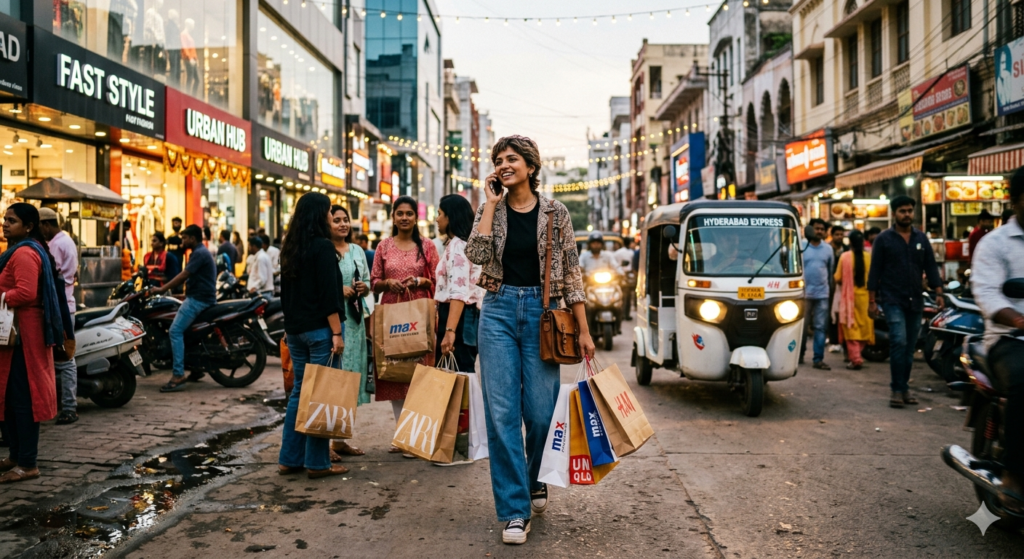
In the fast-paced, digital-first world of the 2020s, the landscape of personal style has undergone a radical transformation. The traditional “two seasons per year” model of the fashion industry has been replaced by a “see now, buy now” culture. For the modern fashionista, fast fashion isn’t just a shopping habit—it’s a strategic choice that enables creativity, inclusivity, and rapid self-expression.
While the industry often faces critiques regarding sustainability, it is impossible to ignore the utility and empowerment fast fashion provides to millions of consumers globally. From democratization of luxury aesthetics to the sheer speed of trend cycles, fast fashion has become the engine of modern personal branding.
1. The Democratization of Style: High Fashion for the Masses
Historically, “style” was a gated community. The latest silhouettes and color palettes were reserved for those who could afford to shop on the Champs-Élysées or Madison Avenue. Fast fashion broke down those gates.
Luxury Aesthetics at Accessible Price Points
Fast fashion retailers have mastered the art of translating high-fashion concepts into affordable garments. For a student or a young professional, the ability to wear a blazer inspired by a Parisian runway without spending three months’ rent is a form of economic empowerment. It allows individuals from all socioeconomic backgrounds to participate in the “visual language” of success and creativity.
Bridging the Gap
The modern fashionista uses fast fashion to experiment with looks that would otherwise be out of reach. It serves as a testing ground; if a particular trend—like the oversized utility vest or neon-tinged streetwear—doesn’t suit their long-term personal brand, the financial risk is minimal. This accessibility fosters a culture of trial and error that is essential for developing a unique sense of style.
2. The Speed of Self-Expression: Keeping Up with the Digital Age
We live in the era of the “Micro-Trend.” Driven by TikTok and Instagram, fashion cycles that used to last five years now last five weeks. Fast fashion is the only sector of the industry equipped to handle this velocity.
Real-Time Relevance
Today’s fashionista is also a content creator, whether they have ten followers or ten million. To stay relevant in a digital feed, one needs to be able to pivot styles quickly. Fast fashion brands can move a design from the sketchpad to the retail floor in as little as two weeks. This agility allows consumers to express their “current mood” in real-time.
The “Mood” Economy
Modern style is less about a permanent identity and more about a rotating series of “vibes.” One day might be “Quiet Luxury,” and the next might be “Cyberpunk.” Fast fashion provides the modular pieces needed to switch between these personas effortlessly. It treats clothing as a dynamic medium of communication rather than a static investment.
3. Size Inclusivity and Diverse Representation
One of the most significant—and often overlooked—advantages of major fast fashion players is their lead in size inclusivity. While many high-end “slow fashion” brands still stop at a size 12 or 14, fast fashion giants have been among the first to offer robust plus-size, petite, and tall collections.
Style for Every Body
For many fashionistas, fast fashion is the only place they can find trend-forward clothing that actually fits. By offering a wide range of sizes, these brands have validated the style aspirations of a massive segment of the population that the traditional fashion world ignored for decades.
Global Design Influence
Fast fashion also tends to be more responsive to global tastes. Because they operate at such high volumes, they can afford to produce niche collections that cater to specific cultural aesthetics, from modest wear to regional street styles, ensuring that “style” is a global conversation, not a Western monologue.
4. The Smart Strategy: “High-Low” Dressing
The savviest fashionistas today practice what is known as “High-Low” dressing. This involves pairing a few high-quality, “investment” pieces with a rotating wardrobe of fast fashion staples.
How to Build a Smart Wardrobe:
- The Anchor: A high-quality pair of leather boots or a designer handbag.
- The Flex: A fast fashion trend piece—perhaps a patterned mesh top or a specific cut of denim—that keeps the outfit looking contemporary.
This strategy is economically brilliant. It allows the consumer to maintain a look that feels expensive and fresh without the unsustainable cost of an entirely “luxury” wardrobe. It is a pragmatic approach to luxury in an era of inflation and shifting economic priorities.
5. Innovation in the Supply Chain
Contrary to the image of “old-fashioned” factories, the leaders in fast fashion are some of the most technologically advanced companies in the world. They use Big Data and AI to predict exactly what consumers want, which reduces the amount of unsold inventory compared to traditional retailers who “guess” their stock six months in advance.
Demand-Driven Production
By producing smaller batches and only scaling up based on real-time sales data, some modern fast-fashion models are actually becoming more efficient. This “ultra-fast” but “demand-led” model is a technological marvel that ensures the clothes being made are actually the ones people intend to wear.
6. Navigating the Ethics: The “Conscious Fashionista”
To be a smart fashionista in 2026 is to be aware of the critiques. The smart choice isn’t just about buying fast; it’s about buying smart.
The Resale Cycle
Fast fashion has inadvertently fueled the massive boom in the “Circular Economy.” Apps like Depop, Vinted, and Poshmark are flooded with fast fashion pieces. Because the entry price is low, these items move through the second-hand market with incredible speed, giving them a “second life” and extending their wear-cycle far beyond their original purchase.
Choosing Better Fast Fashion
Not all fast fashion is created equal. The modern fashionista looks for brands that are:
- Transparent about their labor practices.
- Implementing Recycling Programs (where you can return old clothes for credit).
- Using Recycled Synthetics or organic cotton in their “conscious” lines.
7. The Psychology of the “New”
There is a documented psychological “spark” that comes with wearing something new. It boosts confidence and can even improve performance (a phenomenon known as “enclothed cognition”). Fast fashion makes this psychological “reset” accessible.
For a job interview, a first date, or a major presentation, the ability to acquire a fresh, confidence-boosting outfit without financial strain is a powerful tool in a person’s emotional toolkit.
8. Conclusion: The Future is Fluid
The “smart choice” for today’s fashionista is the one that offers the most freedom. Fast fashion, despite its complexities, provides the freedom to experiment, the freedom to be included, and the freedom to keep up with a world that never stops moving.
As we move forward, the goal is not to eliminate fast fashion, but to refine it. By combining the speed and inclusivity of fast fashion with a personal commitment to the circular economy and smart “high-low” styling, the modern fashionista remains at the cutting edge of both style and practicality.
Fast fashion isn’t just about the clothes; it’s about the democratization of the dream.
Tips for the Smart Fast-Fashionista:
- Fabric First: Even in fast fashion, look for natural blends like cotton or viscose over 100% polyester for better longevity.
- Wash Cold, Air Dry: To make your fast fashion pieces last 3x longer, avoid the high heat of the dryer.
- The “30 Wear” Rule: Before buying a fast fashion piece, ask yourself: “Will I wear this at least 30 times?” If the answer is yes, it’s a smart buy.
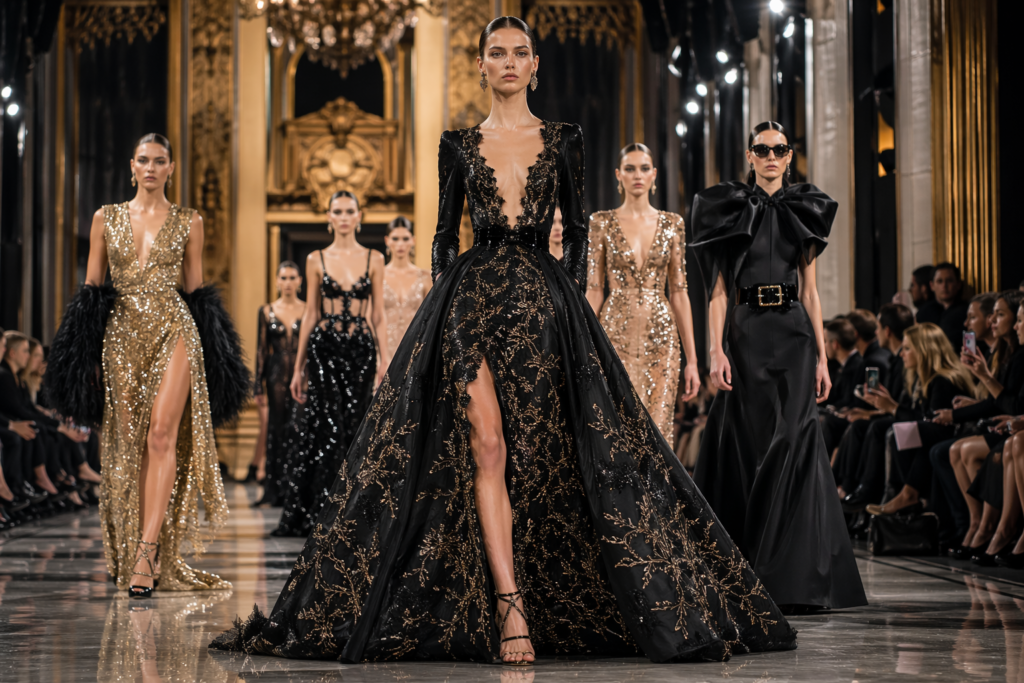
High fashion, often referred to as the pinnacle of creativity and craftsmanship in the fashion world, is far more than an industry segment—it is a cultural force that shapes identity, influences society, and reflects the evolving spirit of time. As we conclude an exploration of high fashion, it becomes clear that its significance extends well beyond glamorous runway shows and luxury price tags. It is a language of expression, an art form, and a dynamic narrative of human imagination.
At its core, high fashion represents innovation without boundaries. Designers operating in this space are not merely creating garments; they are crafting stories, emotions, and experiences through fabric, form, and detail. Each collection is a carefully curated vision that blends tradition with experimentation. Techniques passed down through generations coexist with modern technologies, resulting in creations that are both timeless and forward-thinking. This delicate balance between heritage and innovation is what keeps high fashion relevant in a rapidly changing world.
Another defining characteristic of high fashion is its exclusivity and attention to detail. Unlike mass-produced clothing, high fashion pieces are often meticulously handcrafted, sometimes requiring hundreds of hours of labor. Every stitch, embellishment, and silhouette is thoughtfully designed to achieve perfection. This dedication to craftsmanship not only elevates the garment but also preserves the artistry of fashion as a discipline. In a world increasingly driven by speed and convenience, high fashion stands as a reminder of the value of patience, precision, and human skill.
Beyond aesthetics, high fashion plays a powerful role in shaping cultural and social conversations. Throughout history, it has responded to political movements, societal changes, and global events. Designers often use their platforms to challenge norms, question stereotypes, and advocate for inclusivity and sustainability. Whether it is redefining gender roles through fluid silhouettes or promoting eco-conscious practices, high fashion continues to push boundaries and inspire change. It serves as both a mirror and a catalyst, reflecting society while also encouraging it to evolve.
The influence of high fashion also extends into everyday life. While runway designs may appear extravagant or impractical at first glance, they often set the tone for mainstream trends. Elements such as colors, patterns, fabrics, and cuts gradually filter down into ready-to-wear collections and eventually into street style. This trickle-down effect ensures that high fashion remains connected to a broader audience, bridging the gap between exclusivity and accessibility. In this way, it becomes a source of inspiration for designers, stylists, and consumers alike.
In recent years, the digital revolution has transformed the way high fashion is consumed and experienced. Social media platforms, virtual shows, and online retail have made it more accessible than ever before. Audiences can now witness collections in real time, engage with designers, and explore fashion from anywhere in the world. This increased accessibility has democratized high fashion to some extent, allowing a wider range of voices and perspectives to be heard. However, it also presents new challenges, such as maintaining originality and preserving the essence of exclusivity in a highly connected environment.
Sustainability has emerged as a crucial topic within high fashion, prompting a shift in how garments are designed, produced, and consumed. As awareness of environmental and ethical issues grows, designers and brands are re-evaluating their practices. From using sustainable materials to adopting circular fashion models, the industry is gradually moving toward a more responsible future. High fashion, with its influence and visibility, has the potential to lead this transformation and set new standards for the entire fashion ecosystem.
It is also important to recognize the emotional and psychological impact of high fashion. Clothing has always been a means of self-expression, and high fashion amplifies this by offering bold, imaginative, and often unconventional designs. It empowers individuals to experiment with their identity, challenge societal expectations, and celebrate their uniqueness. For many, engaging with high fashion—whether as a creator, consumer, or admirer—is an opportunity to connect with creativity and inspiration on a deeper level.
However, high fashion is not without its criticisms. Issues such as elitism, high costs, and lack of inclusivity have been points of concern. While progress has been made, there is still work to be done in making the industry more diverse and representative. True innovation in high fashion lies not only in design but also in creating an environment that welcomes different cultures, body types, and perspectives. As the industry continues to evolve, addressing these challenges will be essential for its long-term relevance and impact.
In conclusion, high fashion is a multifaceted phenomenon that embodies art, culture, and innovation. It is a space where creativity knows no limits and where ideas are transformed into tangible expressions of beauty and meaning. From its intricate craftsmanship to its influence on global trends, high fashion continues to captivate and inspire. As it navigates the complexities of the modern world—embracing technology, sustainability, and inclusivity—it remains a powerful force that shapes not only what we wear but also how we perceive ourselves and the world around us.
Ultimately, high fashion is not just about clothing; it is about storytelling, identity, and the endless possibilities of human creativity. Its journey is ongoing, constantly redefining itself while leaving a lasting impression on culture and society.